Job-Ready Reach Forklifts & Warehouse Forklifts for Minneapolis–St. Paul Contractors
Need lifting power on your job site or in your warehouse? Want A Lift provides forklift and telehandler rentals across the Twin Cities, including Minneapolis, St. Paul, and surrounding metro suburbs. From rough-terrain reach forklifts for outdoor construction to indoor warehouse forklifts, we deliver the right machine to keep your materials moving.
Have a question or not sure what you need? Contact Want A Lift today.
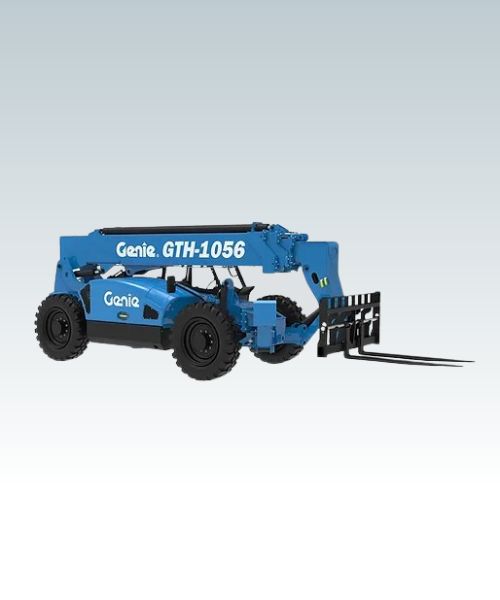
TELEHANDLERS – REACH FORK LIFTS
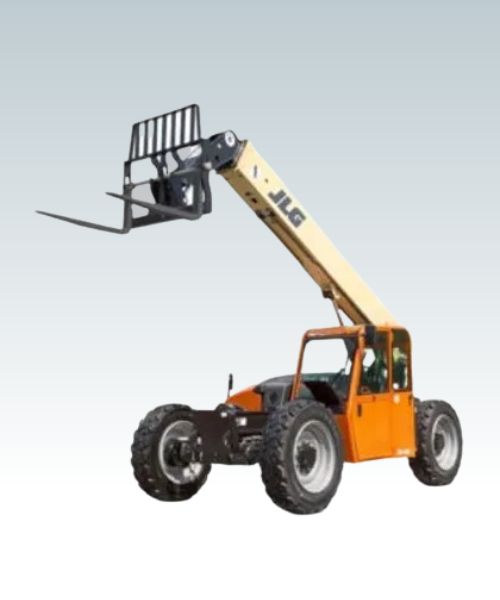
JLG SkyTrak 10042
42′ Telehandler with Outriggers
View Specs >
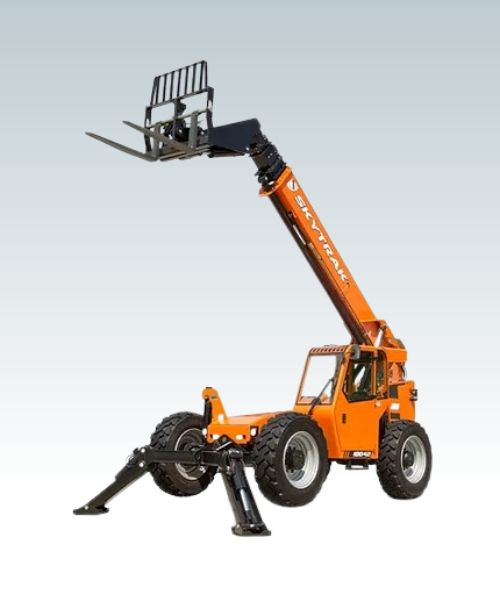
Daily: $525 | Week: $1480 | 4 Weeks: $3100
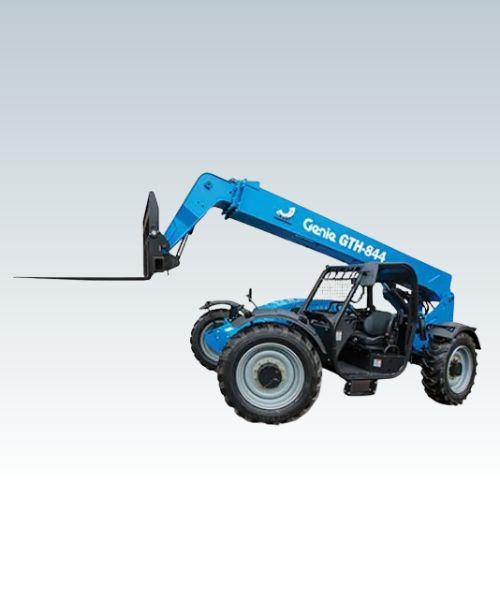
WAREHOUSE FORKLIFTS: 4K-5K
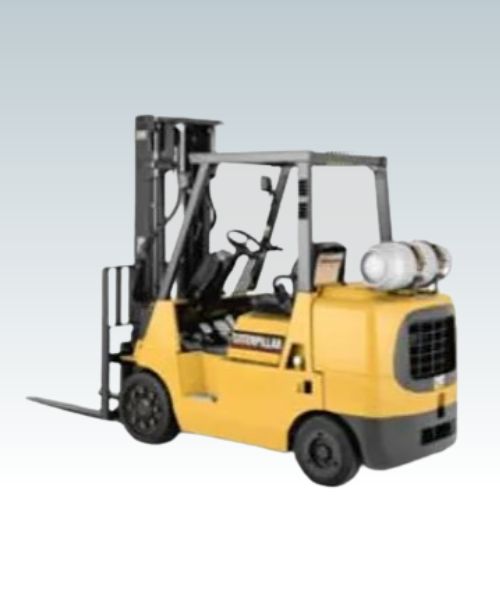
Available Models
| Make | Model | Power Source | Max Lift Height | Max Lift Capacity | Tires | Overall W/L | Weight |
|---|---|---|---|---|---|---|---|
| Caterpillar | C4000 | LP | 15′ | 3750 lbs | Cushion | 42”/91” | 7910 lbs |
| Caterpillar | GC25k | LP | 15′ | 5000 lbs | Cushion | 43”/102” | 8100 lbs |
| Komatsu | FG25SHT-14 | LP | 15′ | 5000 lbs | Cushion | 45”/102” | 8520 lbs |
Daily: $200 | Weekly: $550 | 4 Weeks: $1200
Note: 5000lb Pneumatic Tire Forklifts Also Available
FAQs – Forklift and Telehandler Rentals
Choose based on your highest pick point and required reach.
- 42–44 ft models work for standard construction, material staging, and roofline work.
- 56 ft models are best for multi-story structures, framing, steel erection, and long horizontal placements.
Not all telehandlers have outriggers, but models equipped with them gain additional stability at high reach or long boom extension. Use outriggers whenever the load chart indicates reduced capacity without them.
Most telehandlers run on diesel engines due to the power requirements for lifting and rough terrain. Electric telehandlers exist but are less common and typically smaller.
Operators should review the load chart, secure the load, keep bystanders clear, avoid traveling with an elevated boom, and avoid exceeding the rated capacity. Proper training and jobsite assessment are essential.
Telehandlers need more room than forklifts. Allow space for turning radius, boom swing, and stabilizer deployment (if equipped). Check the model’s dimensions to ensure safe movement on narrow or crowded job sites.
Telehandlers should operate on compacted, stable ground. Soft, loose, or wet surfaces can reduce stability and lifting capacity. Outriggers may be required for high lifts or long reaches.
Rental rates depend on machine size, lift height, load capacity, availability, and your rental duration. Delivery distance, attachments, and long-term rental agreements may also affect pricing.
Telehandlers are generally not used indoors due to size, exhaust, and ventilation needs. Indoor jobs typically require warehouse forklifts, electric lifts, or compact equipment that can maneuver in confined spaces.
For certain tasks, yes. Telehandlers can lift and position materials at height and over obstacles, similar to a crane. However, cranes are better for extremely heavy loads or precise vertical lifts. Telehandlers are ideal for moderate loads with faster setup.
Common attachments include pallet forks, buckets, truss booms, lifting hooks, and work platforms. Telehandlers become highly versatile when equipped with the right tool for the task.
Horizontal reach varies by model. Compact telehandlers may reach 20–25 ft, while larger 56 ft machines can extend 40 ft or more. The farther the reach, the lower the safe load capacity.
Yes, most telehandlers are designed for rough and uneven terrain. Large tires, high ground clearance, and optional outriggers improve stability on dirt, gravel, or sloped job sites. Operators should still evaluate soil conditions before lifting.
Lift capacity decreases as the boom extends. A telehandler that lifts 5,000–10,000 lbs at low height may only support a fraction of that weight when fully extended. Always check the load chart for the exact model and load position.
Choose a telehandler size based on three factors: the maximum weight of the load, the highest point you need to reach, and how far you must extend the boom. Smaller 42–44 ft models work for most residential and light commercial tasks, while 56 ft units handle high placement on multi-story structures.
Yes. All forklifts and telehandlers are serviced and safety-checked before each rental to help reduce downtime and keep your Twin Cities job site running smoothly.
Yes. In addition to daily and weekly rentals, we offer 4-week and multi-month rental options for longer projects.
You’ll need to know the weight of the load, how high you need to lift it, and how far out from the machine the load will be carried. Share those details with us and we’ll recommend the right capacity and model for your job.
Cushion-tire forklifts are designed primarily for smooth, indoor surfaces. For outdoor or uneven ground, a pneumatic-tire forklift or a telehandler is usually a better and safer choice.
A telehandler (reach forklift) has a telescopic boom that allows you to lift and place materials higher and farther out, such as onto roofs or upper floors. A warehouse forklift is best for ground-level and indoor pallet handling on smooth, hard surfaces.
Yes. We deliver forklifts and telehandlers to commercial and construction sites across Minneapolis, St. Paul, and the surrounding Twin Cities metro.
Why Twin Cities Contractors Trust Want A Lift for Forklifts & Telehandlers
- Reliable delivery across Minneapolis–St. Paul to keep material movement running on schedule.
- Equipment built for real loading and lifting jobs — from pallet work to elevated material placement.
- A fleet that includes both warehouse forklifts and rough-terrain telehandlers, so contractors can match the machine to the job.
- Flexible rentals for short-term projects, seasonal work, and long-term builds.
- Hands-on support from a local Twin Cities team that understands lift capacity, reach, terrain needs, and safety considerations.
- Minimal downtime, thanks to consistent service, inspections, and responsive help if your jobsite needs assistance.