Aerial Lift Maintenance: Why Regular Service Keeps Your Equipment Safe and Efficient

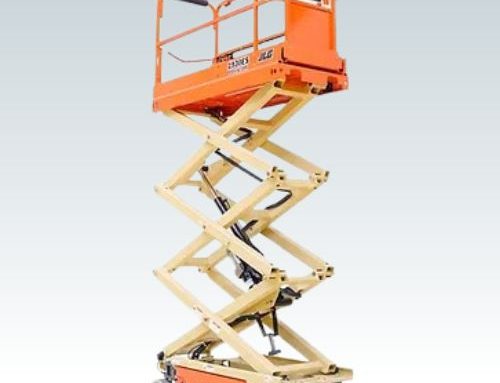
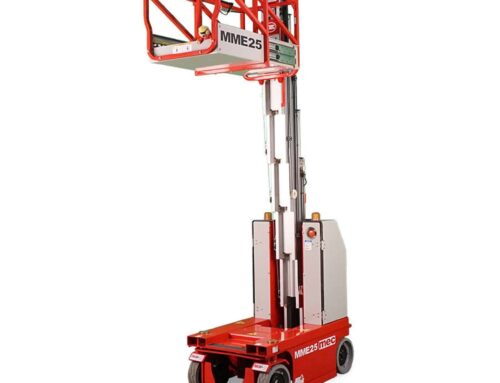
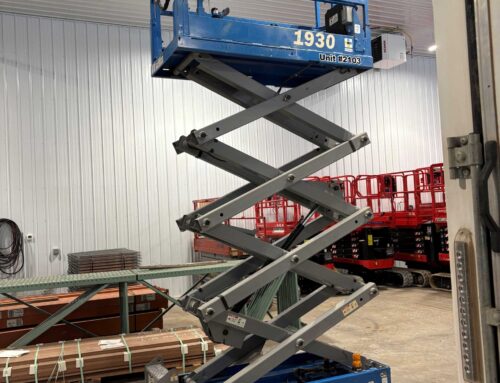
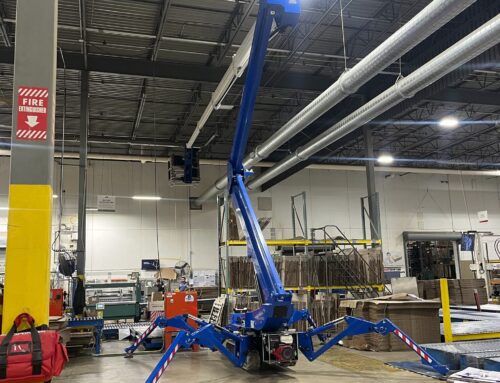
Aerial lifts—such as boom lifts, scissor lifts, and vertical mast lifts—are essential for safely reaching elevated work areas in construction, facility maintenance, and warehousing. Whether you’re repairing roofs, installing HVAC systems, or managing warehouse inventory, these machines make the job safer and more efficient.

But like all heavy equipment, aerial lifts require regular maintenance to ensure safety, performance, and compliance. Neglecting maintenance can lead to unexpected breakdowns, costly repairs, and even safety hazards.

In this post, we’ll cover the importance of aerial lift maintenance, key maintenance tasks, and how to keep your lifts in peak condition—plus where to find expert service and parts in the Twin Cities area.

Why Aerial Lift Maintenance Is Essential

  • Safety First – Proper aerial lift maintenance directly impacts jobsite safety. A malfunction in the platform, hydraulics, or stabilizers can cause severe accidents. Routine inspections and maintenance help ensure all safety systems—emergency controls, guardrails, brakes, and outriggers—function properly, protecting operators and everyone nearby.

  • Extend Equipment Life – Regular maintenance reduces wear and tear, helping your aerial lifts last longer. Small issues like worn hoses, low hydraulic fluid, or corroded electrical components can quickly become major repairs if ignored.

    If you transport your equipment in winter, road salt can damage electrical connections and controllers. Hauling your lift in an enclosed trailer—or washing it regularly—helps prevent corrosion and extends its lifespan.

  • Boost Productivity – Well-maintained aerial lifts perform smoothly and reliably, reducing downtime. Crews spend less time dealing with mechanical failures and more time getting work done. Routine preventive maintenance ensures consistent performance and fewer costly interruptions.

  • Stay ANSI-Compliant – ANSI and OSHA require regular inspections and documented aerial lift maintenance. Staying compliant not only avoids fines but also demonstrates your company’s commitment to operator safety and responsible equipment management.

Key Aerial Lift Maintenance Tasks

While annual inspections should always be completed by a qualified technician, there are several basic maintenance tasks operators can perform to keep lifts in good condition between services.

  • Daily Visual Inspection – Before each use, inspect:

    • The platform, guardrails, and entry gates
    • Tires and undercarriage for cracks or leaks
    • Electrical cables for damage or corrosion
    • Hydraulic lines for leaks or wear

    Catching minor issues early can prevent bigger, more expensive problems later.

  • Hydraulic System Maintenance – Check hydraulic fluid levels regularly and inspect hoses for leaks or cracks. Low or contaminated fluid can cause sluggish operation or component failure. Address any issues immediately to avoid damaging the lift’s internal systems.
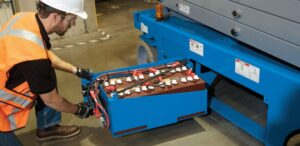
  • Battery Care (for Electric Lifts) – For electric scissor lifts and mast lifts:

    • Keep terminals clean and free of corrosion
    • Check electrolyte (distilled water) levels as recommended
    • Maintain a consistent charging routine
    • Replace batteries every few years for optimal performance

    Letting the batteries run dry can drastically reduce their lifespan and efficiency.

  • Tire and Wheel Inspection – Check tire pressure, tread condition, and any visible damage. On rough or outdoor terrain, proper tire condition is crucial for stability and traction. Replace worn or damaged tires immediately.
  • Lubricate Moving Parts – Follow the manufacturer’s lubrication schedule for arms, joints, and pivot points. Regular greasing reduces friction and prevents premature wear.
  • Brake and Stabilizer Check – Inspect brakes and stabilizers frequently to confirm they’re functioning correctly. Faulty stabilizers can cause instability on uneven ground, while weak brakes increase the risk of rollaway accidents.
  • Electrical System Inspection – Test all switches, buttons, and controls. Look for frayed wiring or loose connections. Any irregular behavior—slow responses, flashing warning lights, or intermittent power—should be addressed by a technician immediately.
  • Emergency Systems Testing – Test the emergency lowering function and backup power systems regularly to ensure they work as intended in case of a mechanical failure or power loss.

When to Call a Professional

While many of the tasks mentioned above can be handled by operators or technicians, it’s always a good idea to have a professional technician perform more in-depth inspections and maintenance on a routine basis. An experienced service technician can identify potential problems that might not be immediately obvious to the untrained eye and can perform repairs or replacements as necessary to keep your lift in peak condition.

If your lift is overdue for a service or if you notice any unusual performance issues, don’t hesitate to call our office at 612-900-7738 to schedule service today. It’s always better to address small problems early rather than waiting for them to turn into costly repairs or safety hazards.

Conclusion: Keep Your Aerial Lift Running Smoothly

Aerial lifts are a critical part of many businesses, but they only remain effective when they are properly maintained. Regular maintenance not only ensures the safety and productivity of your workers but also prolongs the life of your equipment and keeps your project timelines on track. By keeping up with inspections, lubrication, and checks, you can avoid costly repairs and minimize the risk of downtime.

If you need assistance with aerial lift maintenance or are interested in renting equipment, our team at Want A Lift Rental Equipment is here to help. Contact us today to learn more about our services and rental options and let us help you keep your equipment running safely and efficiently.